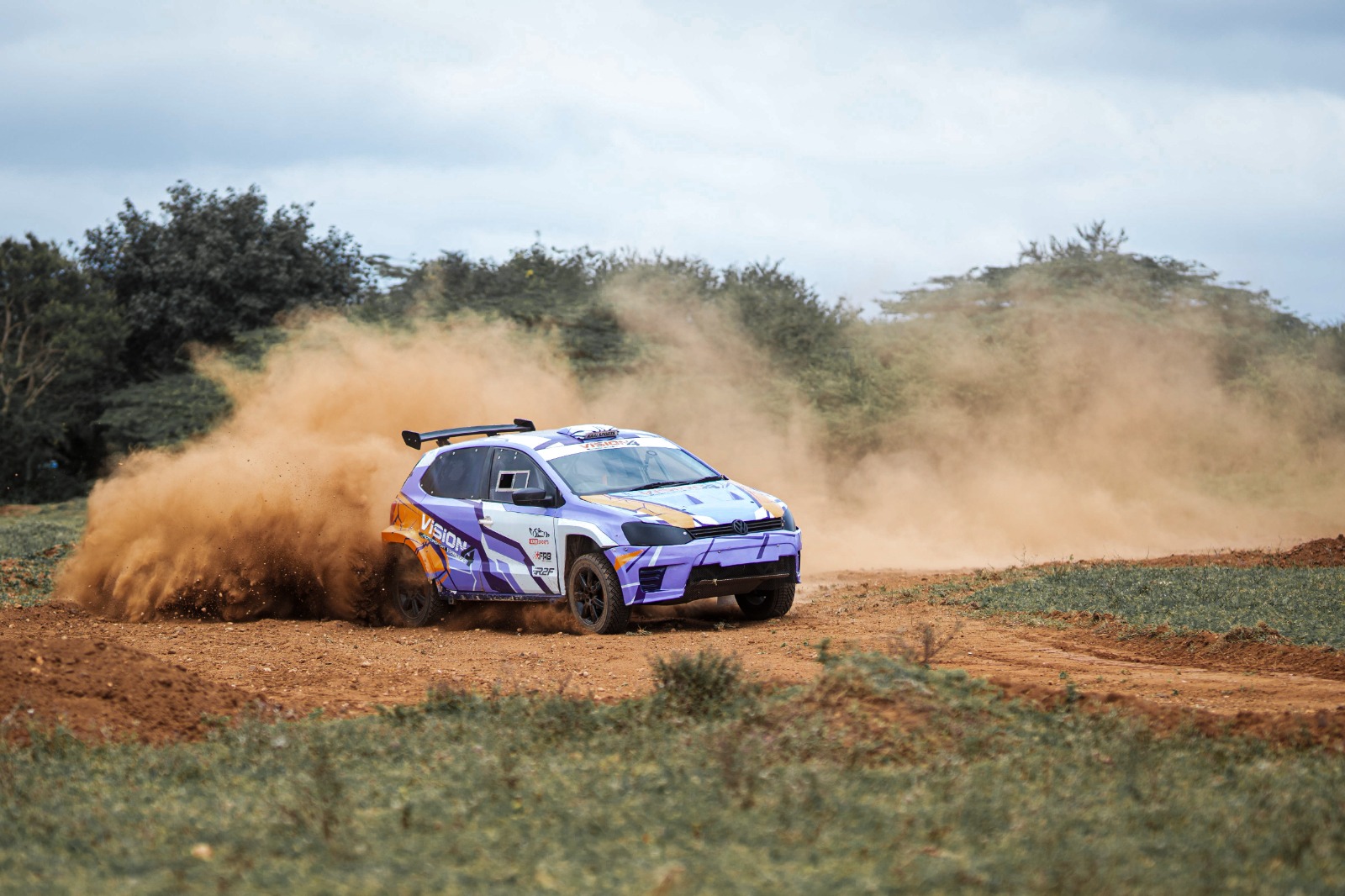
Coimbatore, Tamil Nadu | June 2026 — When the South India Autocross League (SIAL) launched its inaugural season, the objective was straightforward: remove the traditional barriers to entry in motorsport and determine whether talent could emerge when every competitor had access to the same machinery, the same opportunities, and the same platform.
One season later, the results are clear.
What began as an experiment in accessibility has produced champions, created a new pathway into competitive motorsport, and demonstrated that prior experience may not be the deciding factor many believe it to be.
The Numbers Tell the Story
The inaugural SIAL season featured competition across three championship categories — Open, Ladies, and Amateur — with competitors battling throughout the season in identical race-prepared cars.
At the end of the championship, the Open category produced one of the most remarkable outcomes of the season.
Amjad from Thrissur, who entered the championship with no previous motorsport experience, secured the Open Championship title with 132 points.
Close behind was Sonakshi, another first-time competitor, who finished second overall in the Open Championship with 129 points, just three points behind the title winner.
Completing the Open podium was Mari, who scored 126 points to finish third overall.
The Ladies Championship was dominated by Sonakshi, who accumulated 225 points to become the category champion while simultaneously challenging for the overall Open title.
In the Amateur category, Mari emerged as champion with 174 points, adding another championship trophy to an already impressive season.
Across all three categories, the championship produced full podium battles, close points margins, and a level of competitiveness that exceeded expectations for a first-year series.
What Season 1 Proved
The most significant takeaway from Season 1 is not who won.
It is how they won.
The championship’s leading competitors arrived with vastly different backgrounds, and several of its top performers entered the season with little or no competitive motorsport experience. Yet by the end of the year, they were fighting for championships and consistently delivering competitive performances.
The results suggest that when competitors are placed in equal machinery under a one-make format, talent, consistency, adaptability, and commitment become the primary differentiators.
Season 1 demonstrated that motorsport potential can emerge from unexpected places when the barriers to participation are lowered.
The Sonakshi Story
Among the season’s standout performances, Sonakshi’s campaign deserves special attention.
Winning the Ladies Championship with 225 points would have been an achievement on its own.
What made the result remarkable was that she also finished second overall in the Open Championship, competing directly against the entire field and missing the overall title by only three points.
For a competitor entering the championship without prior experience, the result became one of the strongest examples of what the SIAL platform was designed to achieve.
It showed that the championship is not merely creating category winners—it is creating genuine racing talent capable of competing at the front of the field.
Beyond SIAL
Perhaps the strongest validation of the model has come after the championship itself.
Several competitors who began their journey through SIAL have since progressed into higher levels of Indian motorsport, including participation in the Indian National Rally Championship (INRC).
That progression reinforces the championship’s original purpose: not simply to conduct races, but to create a development pathway for future competitors.
Looking Ahead to Season 2
With the lessons of Season 1 now firmly established, SIAL is preparing for its next chapter.
Season 2, officially launching on July 4, will feature a selected intake of competitors, creating a more focused and competitive grid while retaining the championship’s core philosophy.
The one-make format remains unchanged, ensuring that every driver continues to compete in identical machinery and that results are determined by performance rather than equipment.
As preparations begin for the new season, the first year has already delivered an answer to the question that inspired the championship.
The experiment has been run.
The results are in.
And Season 1 proved that when opportunity is made accessible, talent has a way of finding the podium.